Skip to main content
Menu
Search
Search
Site search
Home
Close
Main navigation
Home
Species & Habitats
Species in Washington
Ecosystems in Washington
Living with wildlife
At-risk species
Habitat recovery and protection
Aquatic invasive species
Wildlife diseases
Amphibians and reptiles of Washington
Marine toxic contaminants
Wildlife viewing
Fishing & Shellfishing
Fishing regulations
Shellfishing regulations
Places to go fishing
Fishing and stocking reports
Fishing and shellfishing basics
Managing fish populations
Tribal fishing
Commercial fishing
Fishing events
Monofilament recovery and recycling program
Hunting
Hunting seasons and regulations
Managing game populations
Hunting education and requirements
Special hunt permits and raffles
Places to go hunting
Licenses & Permits
Fishing and shellfishing licenses
Hunting licenses
Construction and environmental permits
Parking and access passes
License plates
License dealers
Commercial licensing
Roadkill salvage permit
Places to go
WDFW Lands
Weekender report
Life Outdoors
Clam, mussel, and oyster harvest
Public fishing piers
Lowland lakes
High lakes
Marine areas
License dealers
Salmon viewing locations
Top menu
About WDFW
Newsroom
Get involved
Civil Rights/Accessibility
Newsroom
Search the Newsroom
Published
Last 7 days
Last 30 days
Last 12 months
More than 12 months
Sort by
Oldest
Newest
Category
News release
(214)
News release (Español)
(2)
News release (Русский)
(1)
News release (Tiếng Việt)
(1)
WDFW statement
(9)
Director's statement
(2)
Director's bulletin
(5)
Blog post
(87)
Topics
Species & Habitats
(98)
Fishing & Shellfishing
(133)
Hunting
(38)
Licenses & Permits
(28)
Places to go
(89)
Enforcement
(14)
Fish and Wildlife Commission
(41)
Eastern - Region 1
(56)
North Central - Region 2
(57)
South Central - Region 3
(61)
North Puget Sound - Region 4
(93)
Southwest - Region 5
(88)
Coastal - Region 6
(113)
Watchable Wildlife (Wildlife Viewing page)
(15)
RSS Feeds
Newsroom
Emergency rule changes
Newsroom
Media contacts
Emergency rule changes
Rule making
Publications
Subscribe to news
Image
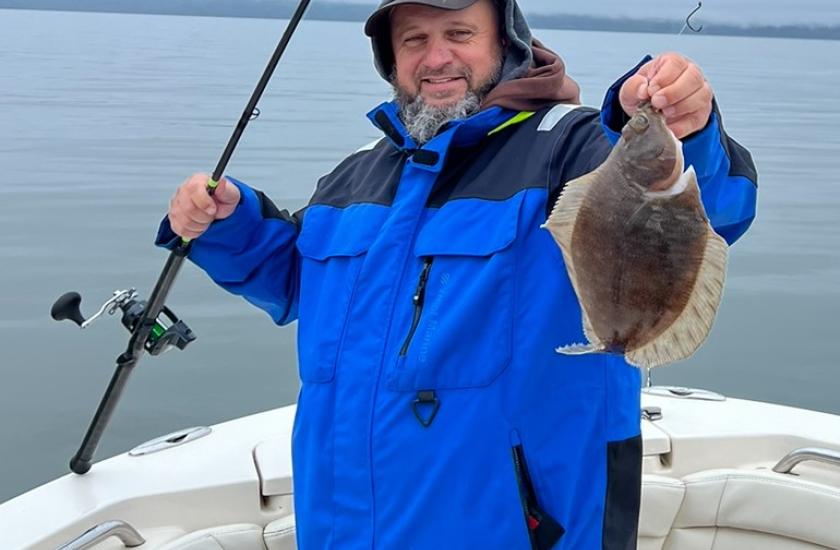
Halibut and lingcod fishing seasons begin in early May, anglers are reminded about having a…
Blog post
|
Apr 24, 2024
Image
Washington Fish and Wildlife Commission met in Olympia April 18-20
News release
|
Apr 23, 2024
Image
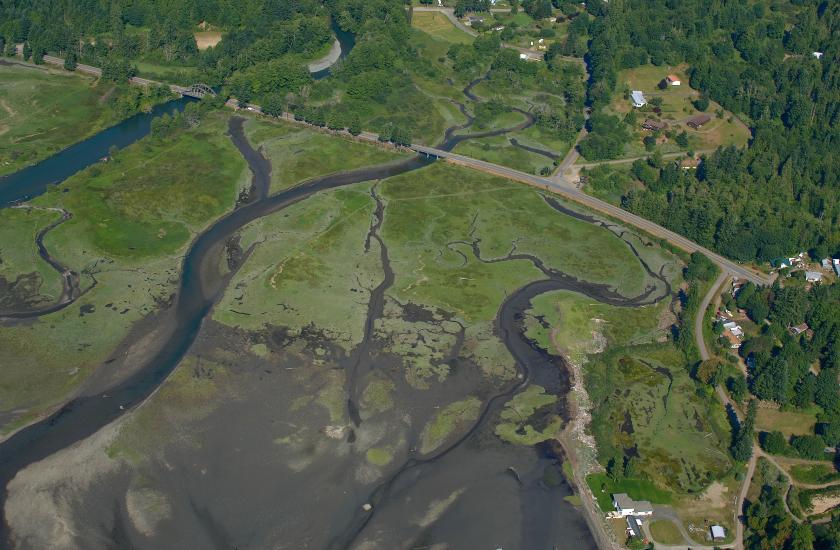
Public invited to learn about Duckabush Estuary Restoration Project
News release
|
Apr 22, 2024
Image
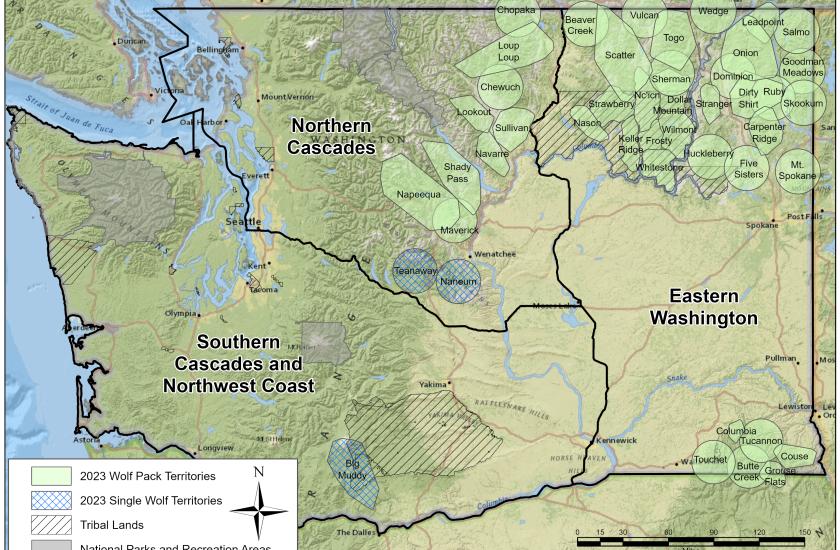
Annual survey shows growth in Washington gray wolf population in 2023
News release
|
Apr 20, 2024
Image
Public invited to provide input on 2025-2026 coastal recreational bottomfish fisheries
News release
|
Apr 19, 2024
Image
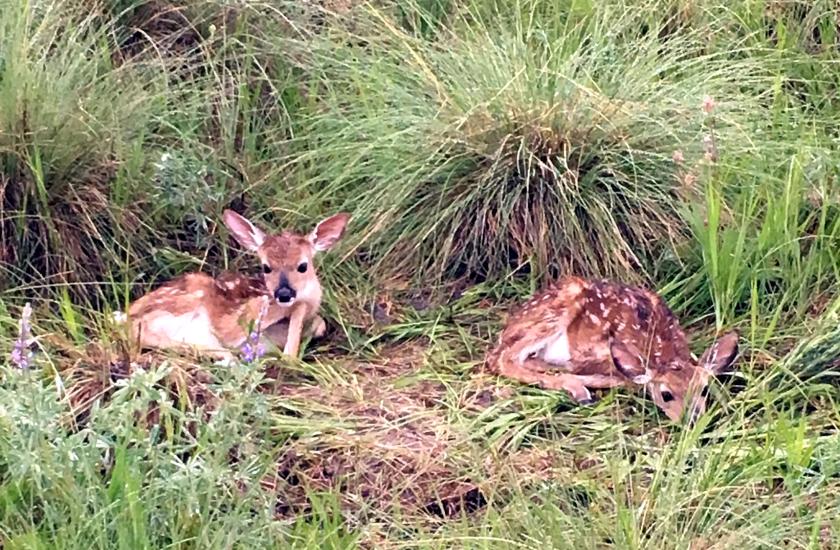
Wild neighbors: what to do if you encounter young wildlife
Blog post
|
Apr 19, 2024
Image
Heather Hall named WDFW’s Coastal Region director
News release
|
Apr 19, 2024
Image
Safeguard Our Shellfish campaign aims to protect local seafood
Blog post
|
Apr 18, 2024
Image
WDFW approves seven days of coastal razor clam digs starting April 23; additional tentative digs planned for May 6-12
News release
|
Apr 18, 2024
Image
Working together toward a cleaner world on Earth Day— and every day
Blog post
|
Apr 18, 2024
Image
Snohomish Basin salmon, steelhead fisheries limited to protect wild Chinook
Blog post
|
Apr 18, 2024
Image
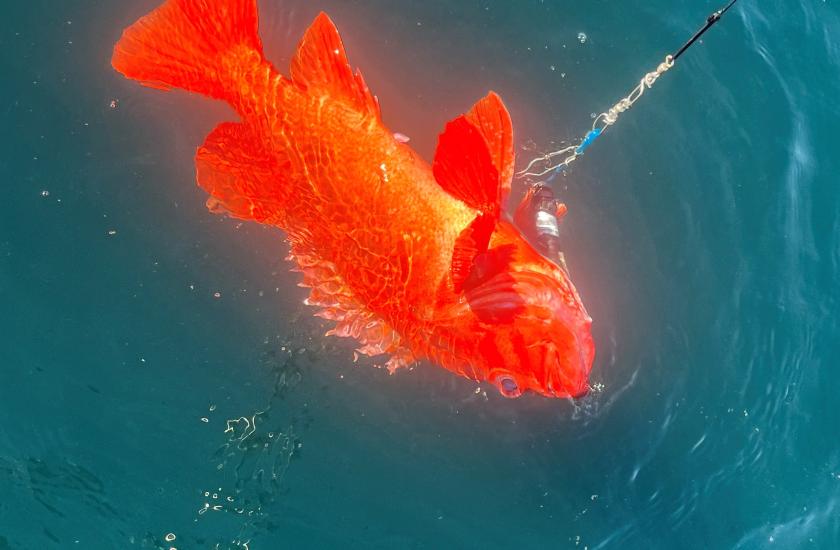
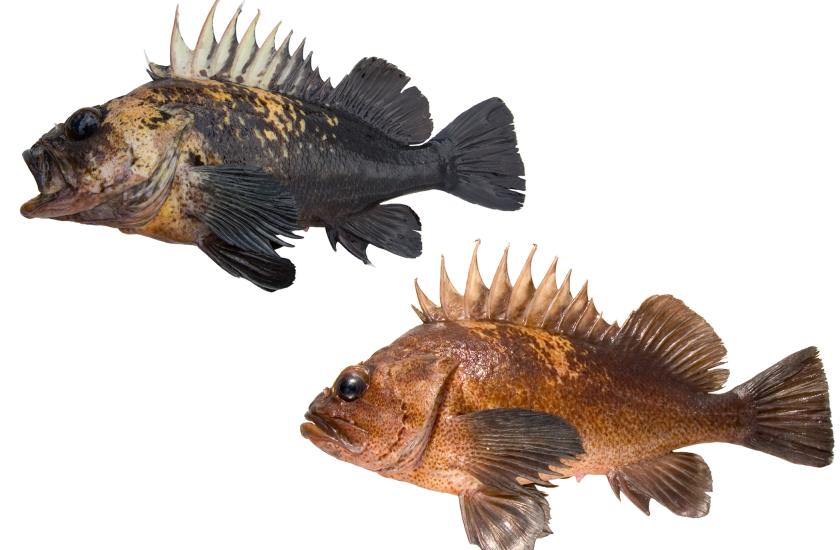
Reminder about rockfish identification and retention
Blog post
|
Apr 16, 2024
Pagination
1
2
3
…
Next
Last